
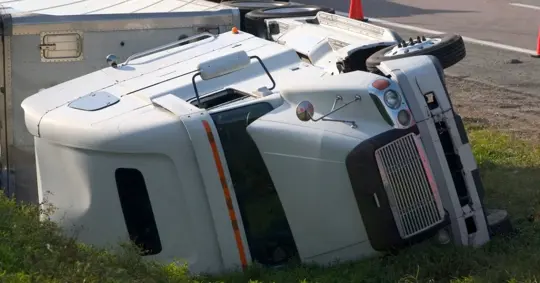
Being involved in a truck accident can be overwhelming. The damage caused by large commercial vehicles is often severe, and the aftermath can leave victims dealing with medical bills, property damage, and legal complexities. Understanding how fault is determined in these cases is essential to protect your rights and ensure any compensation you may be entitled to is pursued correctly. Knowing the key factors that influence liability can help you navigate discussions with insurers, law enforcement, and attorneys with greater confidence.
Investigating the Accident Scene
A thorough investigation of the crash site often provides critical evidence in determining fault. Collecting accurate information quickly can protect your case as memories fade and evidence changes.
- Photographs and Videos: Capturing images of vehicle positions, skid marks, traffic signs, and road conditions can provide concrete evidence of how the accident occurred.
- Witness Statements: Statements from passengers, drivers, or bystanders can clarify details that might not be visible in photos.
- Police Reports: Law enforcement documentation often includes observations or citations that highlight potential negligence.
Careful documentation at the scene creates a foundation for your claim, helping establish which party’s actions contributed to the accident.
Driver Actions and Negligence
Driver behavior is a primary consideration in truck accident fault. Understanding how certain actions or lapses contributed to the collision is essential for evaluating liability.
- Speeding or Reckless Driving: Operating above the posted limit or in a reckless manner increases the likelihood of being found at fault.
- Distracted Driving: Cell phone use, eating, or other distractions that interfere with attention on the road are significant factors.
- Impairment: Alcohol, drugs, or fatigue can seriously impact a truck driver’s ability to control their vehicle safely.
Examining these behaviors helps determine whether negligence played a role and how it might affect the outcome of insurance claims or legal proceedings.
Vehicle Maintenance and Equipment
Truck accidents are sometimes caused by mechanical failures or improperly maintained vehicles. Identifying these factors is critical in establishing fault.
Negligence in vehicle maintenance can include failing to:
- Inspect brakes, tires, or steering mechanisms regularly.
- Ensure cargo is properly secured to prevent shifting that affects handling.
- Follow manufacturer or regulatory guidelines for vehicle upkeep.
When a mechanical issue contributes to a crash, liability may extend beyond the driver to the trucking company or maintenance provider. Understanding these factors early can shape your legal strategy.
Trucking Company Responsibility
Trucking companies have obligations under federal and state regulations that can affect liability. Investigating company practices can reveal whether systemic issues contributed to the accident.
- Driver Training: Inadequate training programs may leave drivers unprepared to handle challenging road conditions.
- Hours of Service Violations: Regulations limit the number of hours a driver can work to prevent fatigue-related crashes.
- Safety Policies and Compliance: Failure to enforce safety protocols or comply with federal trucking standards can indicate corporate negligence.
Examining the company’s role helps clarify the full scope of responsibility, ensuring that accountability is accurately assigned.
External Factors and Road Conditions
Not all accidents are solely the result of driver or company negligence. Environmental and road conditions often play a role in determining fault.
Weather, poor road maintenance, and signage can all impact vehicle safety:
- Weather Conditions: Rain, fog, or high winds can affect vehicle handling, making accidents more likely.
- Road Defects: Potholes, uneven pavement, or debris may contribute to collisions.
- Traffic Control Issues: Malfunctioning signals, unclear signage, or construction zones can complicate driver decisions.
Understanding these external influences ensures that all relevant factors are considered when assigning liability.
Moving Forward After a Truck Accident
Determining fault after a truck accident involves multiple factors, including driver actions, vehicle maintenance, company policies, and road conditions. Navigating this process alone can be overwhelming. The team at Andreopoulos Law is experienced in handling complex truck accident claims, providing guidance and support through every step—from investigating evidence to communicating with insurance companies. Contact us today at (727) 761-3805 to schedule a consultation and learn how we can help you protect your rights and pursue the best possible outcome.